


Why Small Play Groups Help Dog Daycare Feel Calmer
- Fetch Me Later Insights Team

- Apr 14
- 7 min read
📌 Key Takeaways
Small dog daycare groups feel calmer when they pair close supervision with rest, enrichment, and temperament-aware matching.
Smaller Groups Help: Groups with never more than 6 dogs give staff more room to notice each dog.
Fit Beats Size: Calm care depends on matching dogs by temperament, play style, energy, and comfort.
Staff Watch Patterns: Loose movement, healthy pauses, and stress cues help staff adjust the day sooner.
Rest Matters Too: Play works best when dogs also get downtime, enrichment, and quieter choices.
Questions Build Trust: Parents should ask how grouping, breaks, vaccines, reservations, and concerns are handled.
Calm daycare is designed through structure, not created by busy yards alone.
McKinney-area pet parents comparing daycare options will see what calmer care can look like, preparing them for the detailed overview that follows.
~ ~ ~ ~ ~ ~ ~ ~ ~ ~ ~ ~ ~ ~ ~ ~ ~ ~
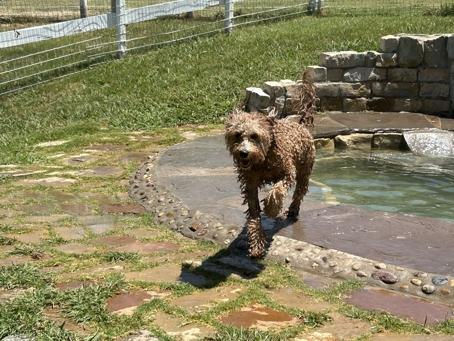
You see the playgroup photo.
A few dogs are moving through the yard, tails loose, ears relaxed, with enough space to pause, sniff, and choose their next move. Then the question lands: Would my dog be comfortable in that group?
For many McKinney-area pet parents, that is the real daycare question. Not whether the yard looks busy. Not whether every dog comes home exhausted. The better question is whether the day has enough structure for your dog to play, rest, and be noticed as an individual.
Small play groups can help dog daycare feel calmer because staff can better match dogs by temperament, notice comfort cues sooner, and balance play with rest and enrichment. For busy pet parents, the value is not just fewer dogs. It is a clearer, more supervised routine that helps each dog feel seen.
Small Groups Make Daycare Easier to Picture

A small group works a little like a small classroom. The number matters, but it is not the whole point.
The real value is visibility.
In a crowded room, it is harder to notice the quiet student who needs a pause, the excited student who is getting wound up, or the new student who is unsure where to fit. In a smaller room, those details are easier to see. The same general principle applies to dog daycare.
That does not mean a small group guarantees a perfect day. Dogs are individuals. Their comfort can vary by age, personality, prior experience, health, energy level, and the other dogs present that day.
A small group is best understood as a visible safety and comfort cue. It gives staff a better chance to see what is happening before play turns frantic.
At Fetch Me Later, Doggie Daycamp is built around small group play, with never more than 6 dogs in a group. The model pairs those smaller groups with rest time, enrichment, and temperament-aware grouping.
That is the important distinction.
Small group dog daycare is not calmer because the number sounds nice. It can feel calmer because the number supports better matching, better observation, and better pacing.
Why Compatibility Matters More Than a Crowded Yard
Size matters, but size alone does not tell the whole story.
A small, intense dog may overwhelm a larger, softer dog. A young dog who wants nonstop chase may not be the best match for a dog who prefers short bursts of play and then a break. Some dogs love wrestling. Some enjoy being near other dogs without constant contact. Others need a slower introduction before they show their real personality.
That is why temperament-aware supervision matters.
Compatible groups may include dogs with similar play styles, similar energy levels, or similar social confidence. Compatibility can also mean giving a dog something other than nonstop group play. That is not failure. That is care.
A calm daycare routine does not ask every dog to enjoy the exact same day.
How Smaller Groups Help Staff Notice the Dog in Front of Them
Dogs do not fill out feedback forms.
They communicate through posture, movement, distance, vocalization, and small changes in behavior. In a smaller group, those signals can be easier to notice. A dog who starts the morning loose and social but later becomes stiff, avoidant, or frantic may need a break. Another dog may need a lower-stimulation activity before returning to play.
General canine body-language guidance supports watching dogs in context. The American Kennel Club explains that stress signs can include whale eye, tucked ears or tail, lip licking, yawning, panting, freezing, and pacing. These signals should be read with the full situation in mind, not as isolated proof of one emotion.
That context piece is essential.
A yawn after a nap is not the same as repeated yawning in a tense interaction. Panting after running is not the same as panting when a dog cannot settle. A raised hackle can reflect arousal, excitement, uncertainty, or stress, depending on the moment.
A thoughtful daycare team watches patterns, not just single signals.
Useful comfort cues can include:
Loose body posture
Relaxed movement
Healthy pauses from play
Ability to return to play without frantic energy
Willingness to engage with dogs or staff
Interest in rest or enrichment when play becomes too much
This is where a small group helps staff focus on the dog in front of them. Not as a diagnosis. Not as a promise. As practical observation.
The ASPCApro dog playgroup guide also frames playgroups as programs that require welfare, assessment, risk management, and behavior-change considerations. That is a helpful general principle for any parent evaluating group play: the best programs are not only about letting dogs run. They are about knowing what the play is for and how it is being managed.
Small Groups Work Best With Rest and Enrichment

More activity is not always the answer.
A dog can be physically tired and still emotionally wound up. A dog can run hard, come home exhausted, and still have had a day that felt too intense. For some dogs, the better goal is not maximum exercise. It is matched stimulation.
That means play, rest, and enrichment need to work together.
At Fetch Me Later, daycamp includes multiple play sessions mixed with downtime to rest. Daycamp guests also receive one enrichment option, such as a nature walk, pool time, fetch, or snuggle/cuddle time.
That combination matters because different dogs settle in different ways.
One dog may love a short game of fetch. Another may relax after a nature walk. Another may need cuddle time after social play. A dog that likes other dogs but does not want constant roughhousing may still benefit from being part of a pack without being pushed into nonstop action.
The best play group is not just smaller. It is easier to understand, easier to supervise, and easier to match to the individual dog's specific needs.
For pet parents comparing options, Doggie Daycamp gives a way to picture the care rhythm: small group play, rest, enrichment, and individual attention working together.
Small Group Daycare Questions
Before your dog joins daycare, ask questions that reveal how the day actually works.
These are not “gotcha” questions. They are practical questions for understanding whether a daycare routine fits your dog.
How many dogs are in each play group?
Are dogs grouped by temperament, play style, size, or a mix?
What signs tell staff that a dog needs a rest break?
What happens if a dog is social but not interested in nonstop play?
How do staff match dogs that are new to the program?
Are enrichment options available for dogs who need something other than group play?
How does the facility communicate concerns or adjustments to pet parents?
What records or vaccine verification steps need to be completed before a first visit?
Is daycare available by reservation only?
What should parents know about early drop-off or late pickup?
Those last questions matter for real life.
Busy professional pet parents need a routine they can trust during the workday. Fetch Me Later’s daycare is available Monday through Friday from 7am to 7pm, and reservations are required. If a daycare guest arrives before 8am or is picked up after 5:30pm, the parent must ring the doorbell and have a valid daycare package or other arrangements in place.
Vaccine readiness is also part of a smooth first visit. Fetch Me Later does not require proof of vaccination on arrival. Instead, vaccine records are obtained directly from the veterinarian ahead of arrival. This helps prevent forged vaccination documents and ensures the records can be verified before the pet arrives.
For dogs, required vaccinations include leptospirosis and bordetella. Please note that bordetella must be administered every 6 months, even if your veterinarian gives an annual version. Other required vaccinations still apply.
Keep this step practical: vaccine verification should be handled before the visit, so check-in is not delayed.
What Calmer Can Look Like After Daycare
Calmer does not look identical for every dog.
For one dog, calmer may mean coming home tired but not frantic. For another, it may mean greeting the next daycare day with happy recognition instead of hesitation. For a third, it may mean getting social time, then choosing rest without being pushed past their limit.
For the parent, calmer often looks like peace of mind.
That is the honest version of reassurance.
Small groups can support a calmer daycare routine, but they work best as part of a larger care philosophy. Compatibility matters. Observation matters. Rest matters. Enrichment matters. Clear parent communication matters, too.
For professional context, organizations such as the International Boarding & Pet Services Association support education, certification, resources, and advocacy for pet care businesses. Fear Free’s boarding and daycare education also emphasizes thoughtful interactions, body-language awareness, and recognizing fear, anxiety, and stress in pets.
Those broader industry principles point in the same direction: calm care is not accidental. It is designed.
Review these small group daycare questions before choosing a routine for your dog. When the answers are clear, you can better picture the day your dog will have.
Want to picture what a calmer weekday routine could look like? Explore Fetch Me Later’s Doggie Daycamp to see how small group play, rest, and enrichment work together. When you are ready to ask about availability, use the reservation request form to start the conversation.
Disclaimer: This article is for general informational purposes only and is not veterinary, medical, grooming, or behavioral diagnosis advice. If your dog shows sudden behavior changes, severe stress, aggression, illness, or pain, contact your veterinarian or a qualified canine behavior professional.
Our Editorial Process:
Fetch Me Later content is created from documented service details, customer-facing policies, and the lived experience of caring for pets in a professional boarding and daycare environment. Each article is designed to help pet parents make calmer, more informed care decisions. Before publication, content should be reviewed for accuracy against current Fetch Me Later services, rates, hours, vaccination requirements, and reservation policies.
By the Fetch Me Later Editorial Team
The Fetch Me Later Editorial Team creates educational resources for pet parents in McKinney and nearby communities, drawing on the resort's family-owned care philosophy, documented guest-care standards, and day-to-day experience supporting dogs and cats with individualized attention.


Comments